9+ curated guides • Updated July 2025
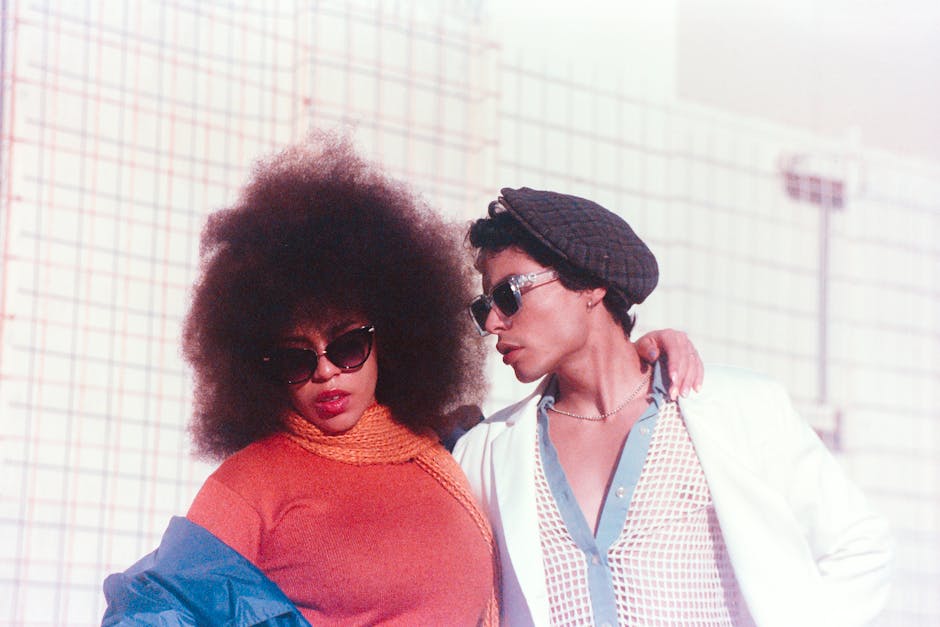
The gyaru aesthetic was born from a rebellion of glorious excess—more glitter, more charms, more everything. But as the world leans into minimalism and sustainability, how does this unabashedly maximalist style survive? Far from fading away, a new generation is proving that you can be both eco-conscious and outrageously decorated. This isn't a contradiction; it's an evolution. The spirit of gyaru was never just about buying things; it was about defiant self-expression. Today, that defiance is aimed squarely at the twin pressures of minimalist conformity and fast-fashion wastefulness, creating one of the most exciting and resourceful movements in modern street style.
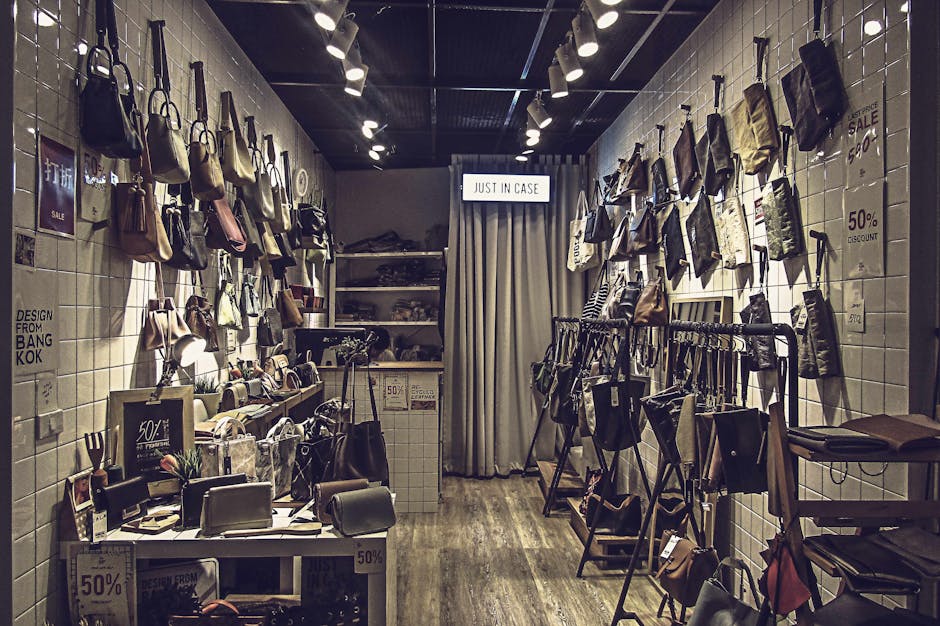
The leap into luxury menswear can feel intimidating, with price tags that can rival a down payment. But what if your entry point wasn't a fleeting trend or an out-of-reach runway coat, but a perfectly chosen bag? The designer crossbody is more than just an accessory; it's the most strategic, high-impact, and surprisingly smart first investment you can make in building a world-class wardrobe. It's the foundation, the workhorse, and the single most effective tool for elevating your daily uniform without overhauling your entire closet. Forget the hype; let's talk strategy.
We tune into Celebrity MasterChef India to see our favorite stars fumble with spatulas and stress over plating. But what if the real competition isn't for the trophy, but for a complete career reinvention? This isn't just a cooking show; it's the most effective public relations stage in Indian entertainment today. The meticulously crafted personas we see on screen are often the result of years of media training and careful image curation. The MasterChef kitchen, however, offers a raw, unfiltered environment where that polish is stripped away, replaced by the universal language of food, frustration, and triumph. For a celebrity brand, this is both a high-risk gamble and a golden opportunity to connect with an audience on a level a blockbuster film or a magazine cover simply cannot reach.
We all know the infamous moments: the shocking tear, the overzealous slit, the fabric that turned traitor under the flashbulbs. But what if these weren't just tabloid fodder, but the accidental sparks of genius? This is the hidden history of how fashion's most notorious 'oops' moments became the unlikely architects of new technologies, iconic trends, and even the very tools we use on the internet today. These moments of sartorial crisis are not footnotes in fashion history; they are the pressure points where creativity is born from chaos. By dissecting these high-profile 'failures,' we uncover a hidden narrative of progress, proving that sometimes, the most important inventions are the ones that happen by accident.
We've all heard of the 'Lipstick Index' as a barometer for the economy. But what if a more powerful predictor has been hanging on our arms all along? This isn't about style forecasting; it's about economic forecasting, where the choice between a micro-bag and a giant tote tells a hidden story about our collective financial anxiety and optimism. The Handbag Index is a theory I've been tracking on the front lines of the luxury market for years. It posits that the collective choices consumers make about their most visible luxury accessory—the handbag—provide a real-time, nuanced reading of the economic climate, often months before official data catches up. It's an analysis of three core pillars: Size (impracticality vs. utility), Material (flash vs. longevity), and Market (primary vs. resale). By decoding these signals, we can see the subtle but significant shift from 'boom-time' confidence to 'bunker-mentality' caution.
You've seen the photos: a silk scarf tied as a bohemian headband or knotted at the neck of a disco queen. But what if that simple piece of fabric was more than just a fashion statement? In the 1970s, the way you wore your scarf was a secret code, broadcasting your tribe and your beliefs to the world. This wasn't just about aesthetics; it was a socio-political broadcast worn around the neck, head, or wrist. In a decade fractured by the Vietnam War, civil rights movements, and economic uncertainty, personal style became a primary vehicle for self-identification. And the humble scarf, accessible and versatile, became its most potent and nuanced messenger.
You track the S&P 500, but are you tracking the Birkin Index? A seismic shift is happening where savvy individuals are making a 'crossover' from viewing designer bags as expenses to seeing them as high-performing assets. Before you make your next luxury purchase, let's analyze it like a stock, not a splurge. For years on the trading floor, I analyzed companies based on their fundamentals: revenue, assets, and market position. Now, I apply that same rigorous lens to the luxury goods market, and the data is clear: certain handbags are outperforming traditional equities. This isn't about fashion; it's about finance. This article provides the analytical framework to identify the 'crossover point' where a simple accessory transforms into a line item on your personal balance sheet.
You know that Tom Cruise is 5'7", yet he consistently appears as a commanding presence, standing eye-to-eye with taller co-stars. This isn't a continuity error; it's a masterclass in cinematic illusion. We're pulling back the curtain to reveal the hidden apple boxes, strategic camera angles, and subtle shoe lifts that Hollywood uses to construct a reality where height is just another prop. The verticality of a star is rarely left to chance; it is as meticulously crafted as the screenplay itself. From classic Hollywood icons to modern action heroes, the art of height manipulation is a foundational, albeit invisible, pillar of cinematic storytelling. This article isn't about exposing individuals; it's about celebrating the incredible ingenuity of filmmakers who build worlds where narrative power, not physical stature, dictates who stands tallest.
Celebrity Cruises doesn't just call the Edge a ship; they call it a 'resort that travels.' It’s a bold claim that promises the ambiance of a St. Regis with the views of the open ocean. But can a vessel designed for thousands truly replicate the bespoke, spacious feel of a five-star property on land? We stepped aboard to deconstruct the marketing and uncover if this is a genuine evolution in travel, or just a very beautiful cruise ship. The distinction is crucial. A resort is a destination in itself, defined by a sense of place, unhurried luxury, and intuitive service. A ship is a mode of transport, however grand. Our investigation focused on three core pillars that define any true luxury property: architectural intent, spatial flow, and the human element of service. The results were, to say the least, illuminating.